Pick artificial lift from the well's conditions: production rate, depth, gas-liquid ratio, sand, fluid viscosity, well deviation, and the power and access available. Rod pumping is the most common and one of the most efficient choices for liquid-rich oil wells that are not too deep or deviated. Progressing cavity pumps handle heavy, sandy oil from shallower wells. Jet pumps tolerate sand, gas and deviated wells with no moving parts downhole. Plunger lift is the low-cost choice for gas wells loading up with liquid.
The questions that decide it
Before comparing methods, gather the well's facts:
- Rate. How much liquid does the well need to produce, now and in a few years?
- Depth and pressure. How deep is the pump set, and how much intake pressure is available?
- Gas. What is the gas-liquid ratio, and does the well need to unload liquid to keep gas flowing?
- Solids. Does the well make sand, scale or other solids?
- Fluid. Is the oil light or heavy and viscous? Is the water corrosive?
- Well path. Is the well vertical, deviated or horizontal?
- Site. Is there grid power? How remote is the well, and how easy is it to get a rig to it?
Side-by-side comparison
The ratings below are general guides. Any method can be made to work outside its comfort zone, at a cost.
| Condition | Rod pump (beam unit) | Progressing cavity pump | Hydraulic jet pump | Plunger lift |
|---|---|---|---|---|
| Typical liquid rate | Low to moderate | Low to moderate | Low to high | Very low |
| Depth | Shallow to deep | Shallow to moderate | Shallow to deep | Shallow to deep |
| Gas | Fair; needs gas separation | Fair | Good; no gas lock | Needs gas: it is the power source |
| Sand and solids | Fair | Excellent | Excellent | Fair; brush plungers help |
| Heavy or viscous oil | Good | Excellent | Good; power fluid can carry heat or diluent | Poor |
| Deviated and horizontal wells | Poor to fair; rod and tubing wear | Fair; rod wear | Excellent; no rods | Fair |
| Energy efficiency | High | High | Low to moderate | No external power |
| Moving parts downhole | Pump and rods | Rotor and rods | None | Plunger only |
| Adjusting rate | Speed, stroke or VFD | VFD or sheaves | Power fluid pressure; change nozzle and throat | Controller timing |
| Rig needed to change the pump | Yes, for a rod pump | Yes | No, for a free pump | No |
The methods in brief
Rod pumping with a beam unit
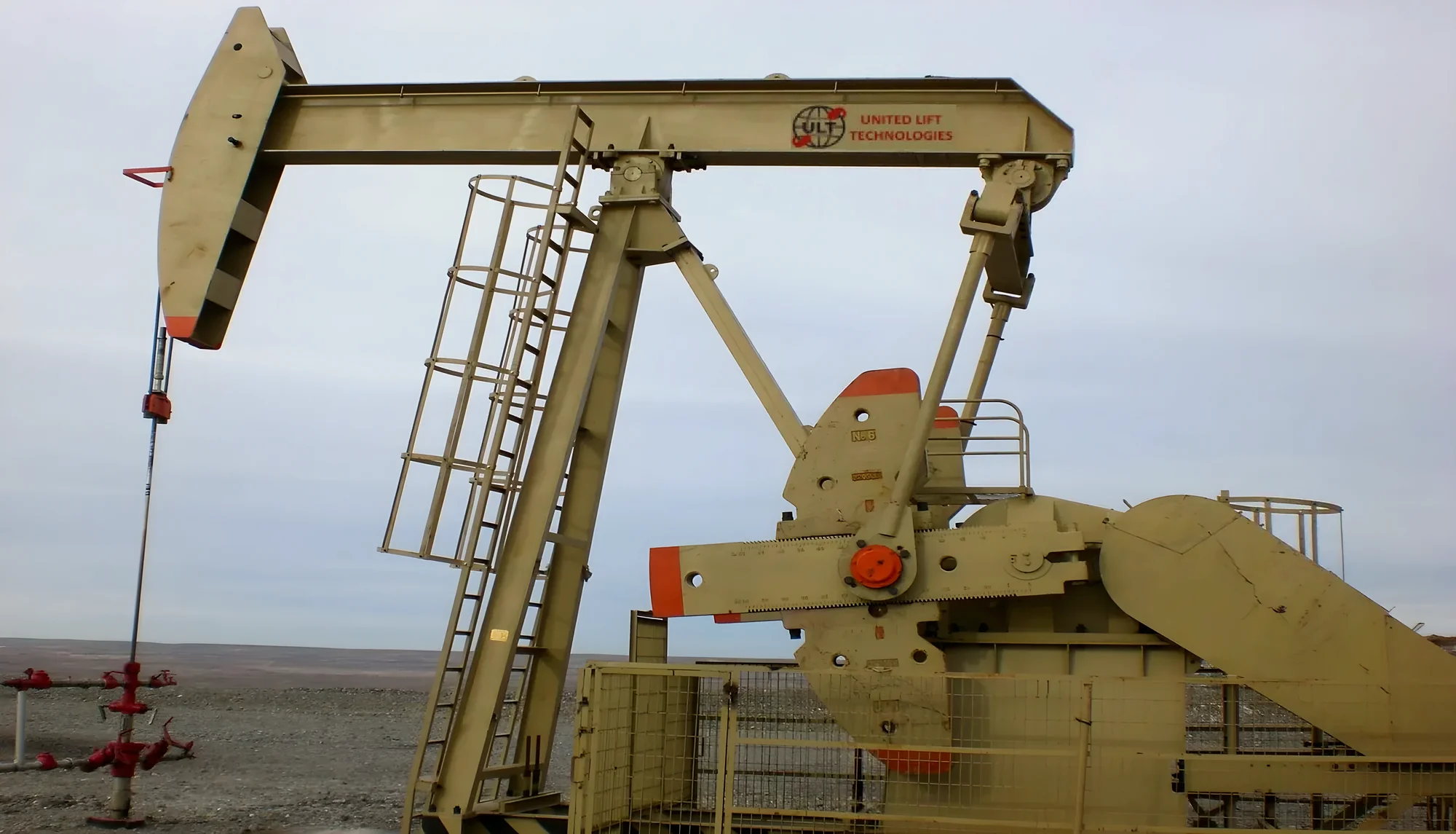
A beam pumping unit at surface strokes a rod string that drives a positive displacement pump at the bottom of the tubing. It is the most widely used form of artificial lift on land: simple, efficient, easy to diagnose with a dynamometer card and easy to service with widely available parts and crews. Its limits are deviated wells, where rods wear on the tubing, heavy sand, and gas interference, which a good gas separator and the right pump design manage.
Progressing cavity pumps (PCP)
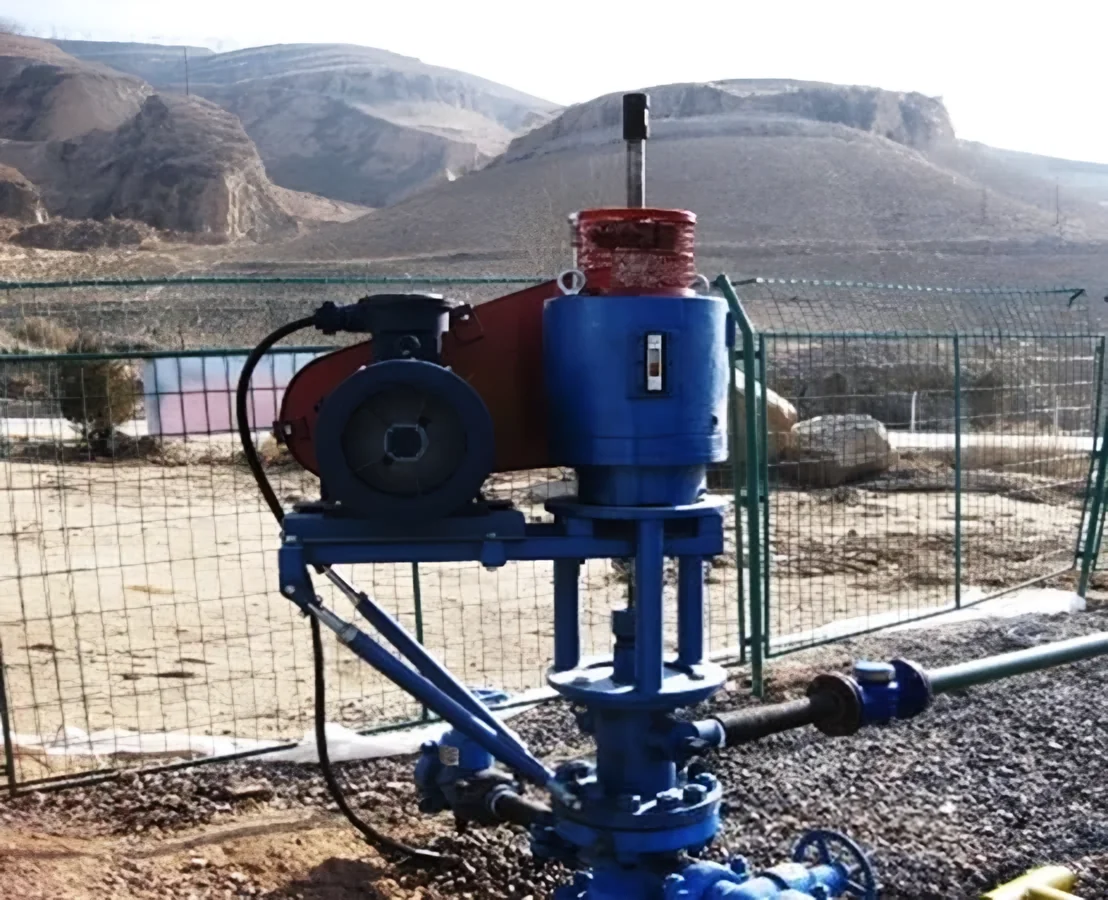
A helical steel rotor turns inside a rubber-lined stator to move fluid in a continuous stream. A drive head on the wellhead turns the rotor through the rod string. PCPs are very good with heavy oil and sand, have low shear, and are efficient. The elastomer stator limits them in high temperatures and with some light oils and aromatics, and depth is limited by the torque the rods can carry.
Hydraulic jet pumps
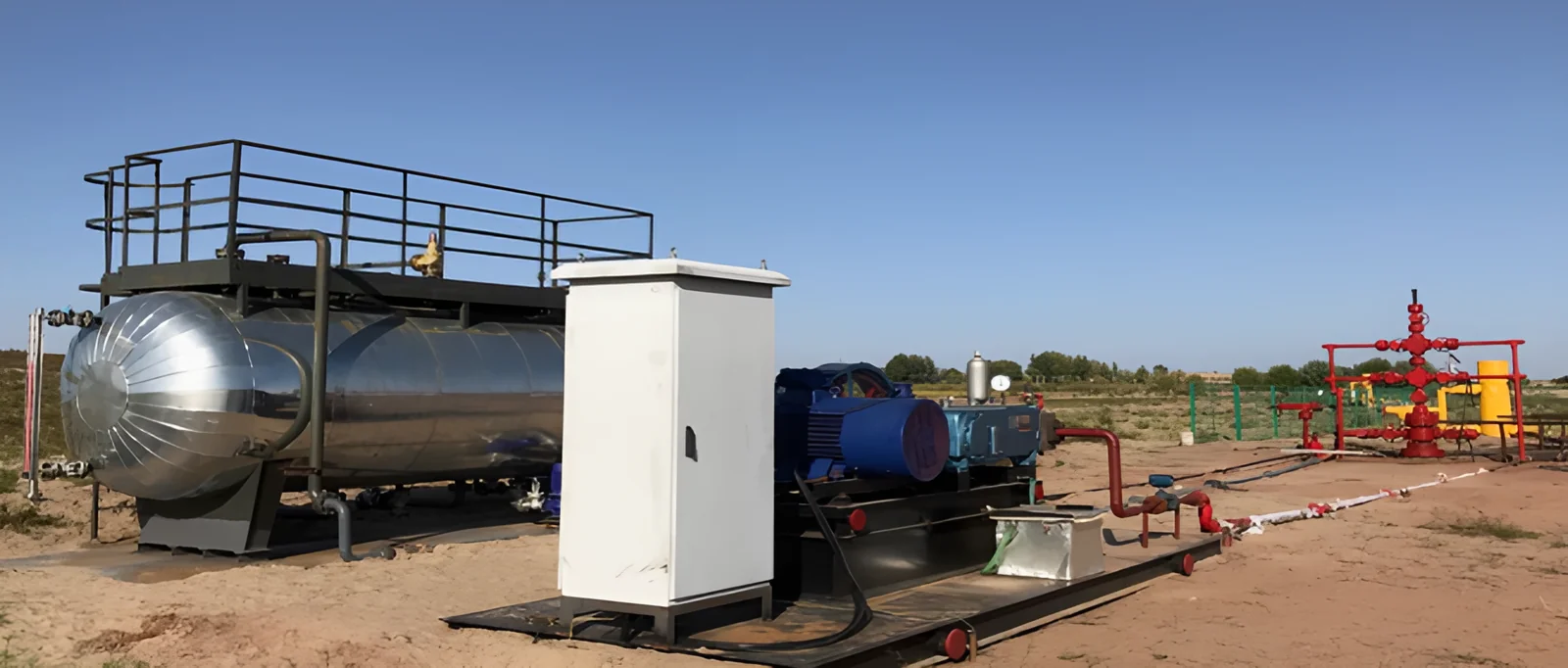
Power fluid pumped from surface drives a nozzle, throat and diffuser with no moving parts downhole. The jet pump tolerates sand, gas and any well inclination, and it can be sized and changed from surface. It uses more energy than a rod pump or PCP and needs surface equipment to handle the power fluid.
Plunger lift
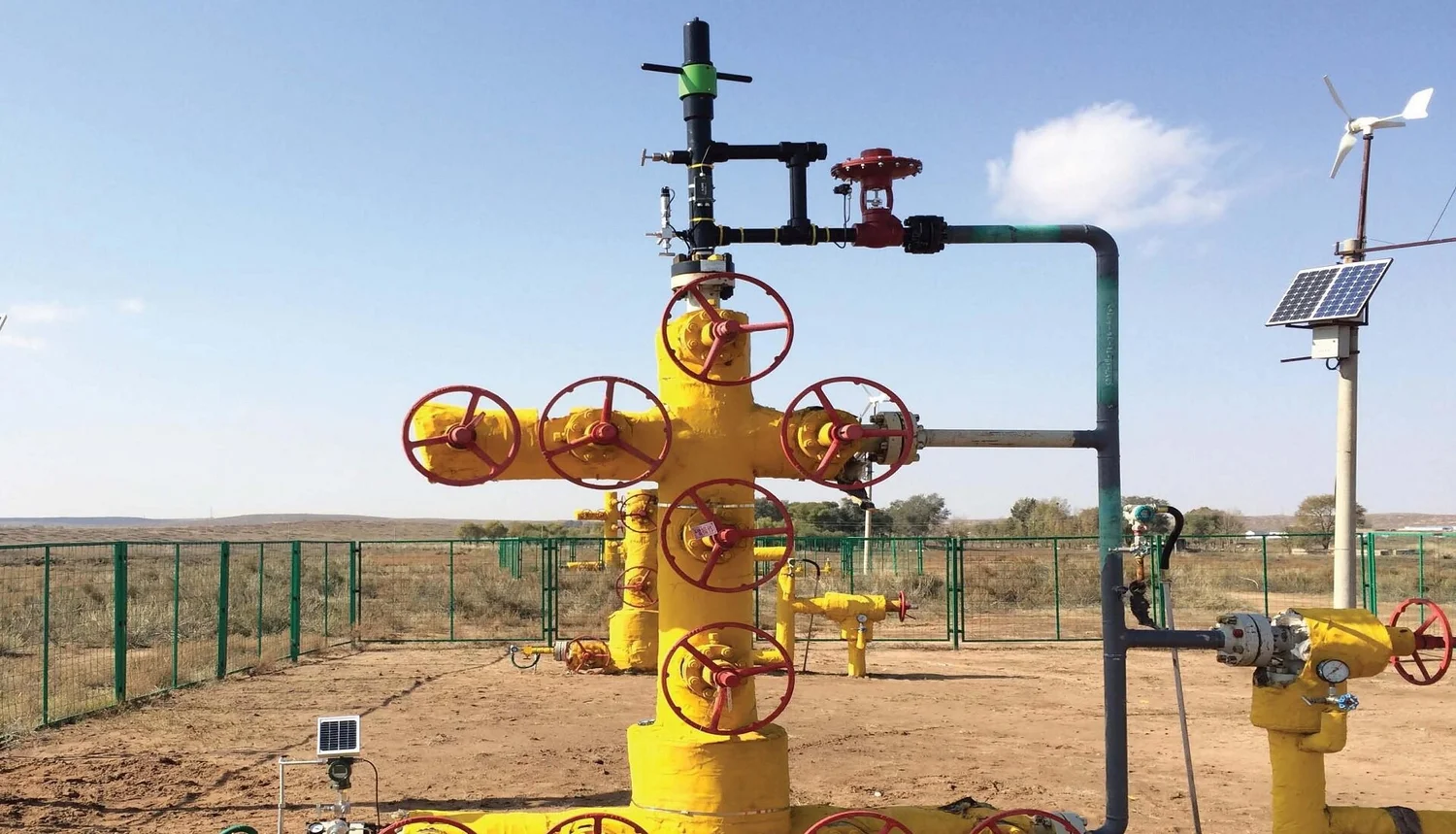
A free-travelling plunger uses the well's own gas to carry liquid to surface, cycling between shut-in and flow. Plunger lift is the lowest-cost option and needs no outside power, but it only works where there is enough gas to lift the liquid. It is the standard fix for gas wells loading up with liquid.
Electric submersible pumps and gas lift
Two other common methods are worth knowing about. Electric submersible pumps (ESPs) are multi-stage centrifugal pumps driven by a downhole motor; they move very high volumes but are sensitive to gas, sand and changing rates, and need a rig to replace. Gas lift injects gas into the tubing to lighten the fluid column; it handles sand and deviated wells well and suits fields with a supply of high-pressure gas. ULT does not supply ESP or gas lift equipment, but they belong in any fair comparison.
Common choices by well type
| Well | Usual first choice | Also consider |
|---|---|---|
| Vertical oil well, moderate rate, little sand | Rod pump with a beam unit | PCP |
| Heavy oil, shallow, sandy | PCP | Rod pump with a sand control pump |
| Horizontal or highly deviated oil well | Jet pump or gas lift | ESP |
| Sandy well that wears out pumps | Jet pump or PCP | Rod pump with a top hold-down sand pump |
| Gas well loading up with liquid | Plunger lift | Jet pump for gas well dewatering |
| High-GLR oil well, low liquid rate | Plunger lift | Rod pump with gas separation |
| Very high rate | ESP | Jet pump, gas lift |
Wells change over their life. A well might start on a jet pump or ESP while rates are high, move to a rod pump as it declines, and end on plunger lift if it becomes gassy. Choose with the next few years in mind, not just today's rates.