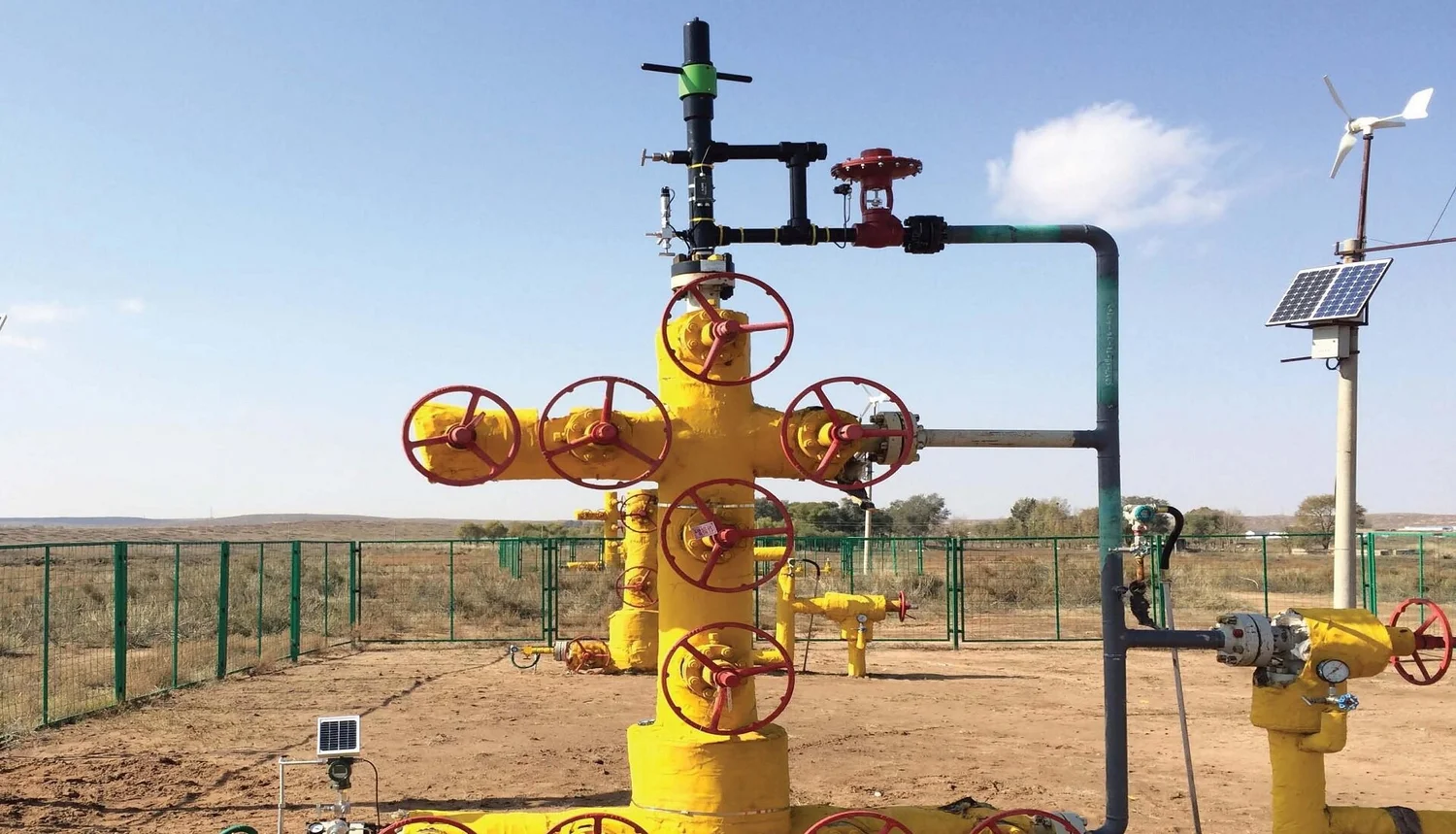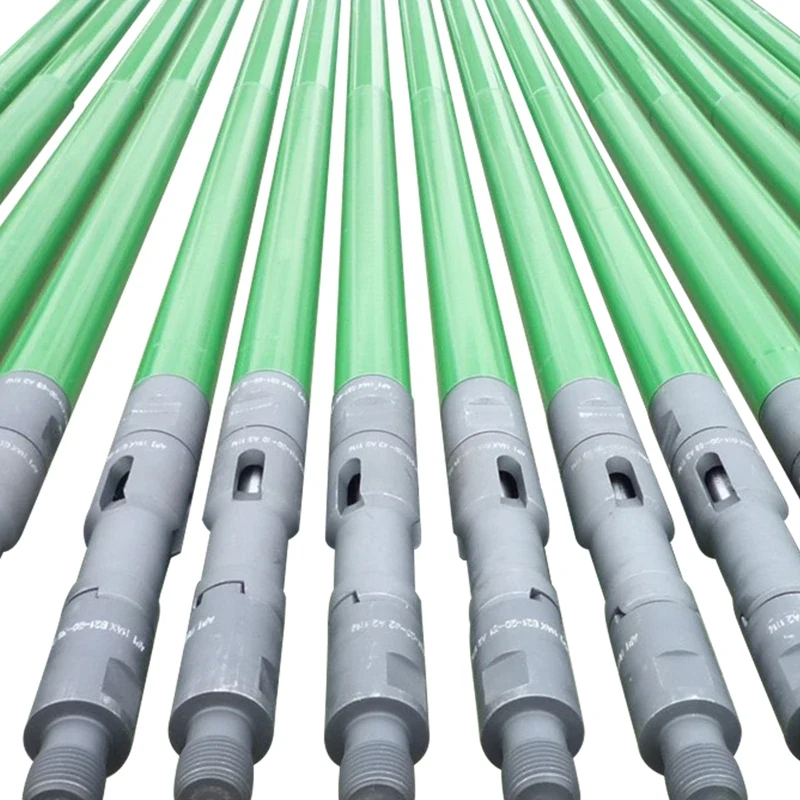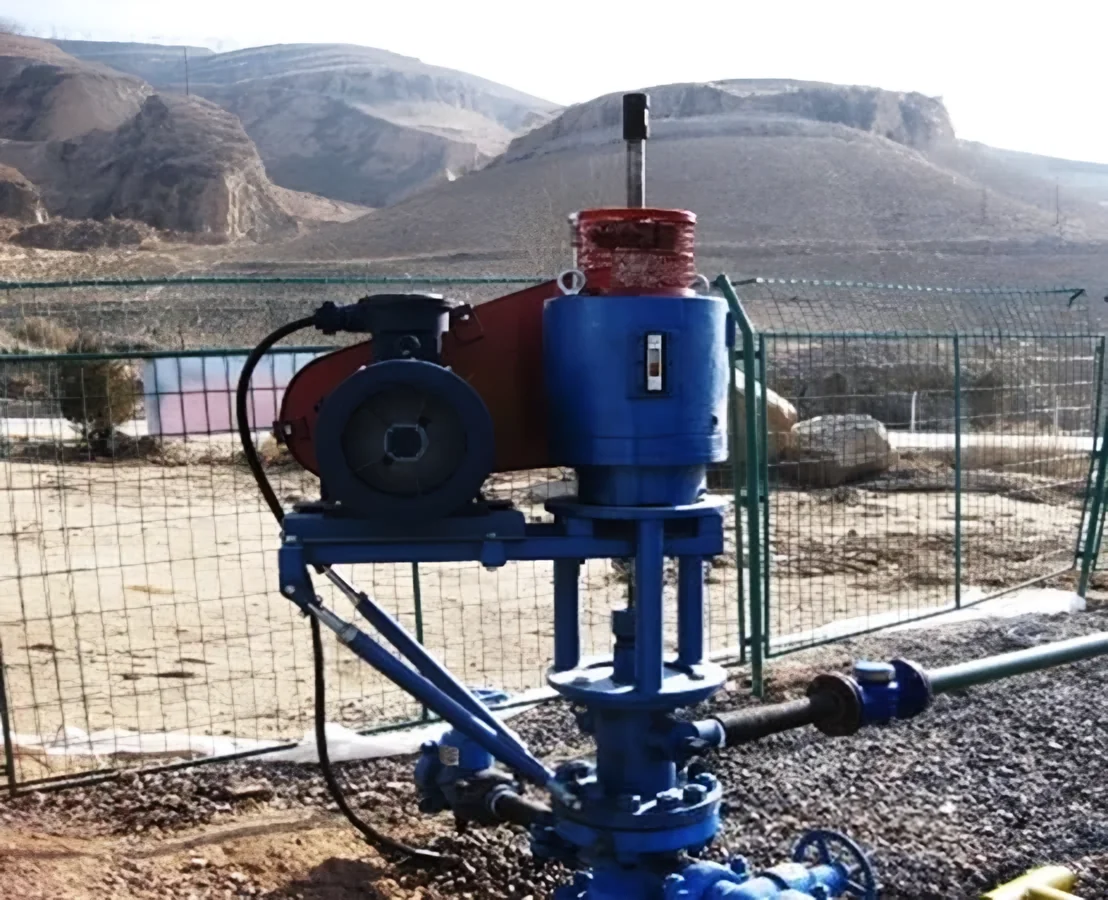
Hydraulic Jet Pump
Rodless artificial lift with no downhole moving parts. Power fluid goes down the inner tubing, and production returns up the annulus.
How it works.
On site
Jet pump technical details
How it works
The ULT Jet Pump uses high-pressure power fluid to create a low-pressure zone within the pump. Formation fluids are drawn into the pump, mixed with the power fluid, and then lifted to the surface.
The system consists of three primary hydraulic components
- Nozzle
- Converts pressure into velocity
- Throat
- Mixes power fluid and production fluid
- Diffuser
- Converts velocity back into pressure for efficient lifting
Design features
Superior Sand Handling
Designed for challenging high-sand production environments with exceptional sand-carrying and sand-discharge capabilities. Handles sand particles up to 2 mm while maintaining reliable production.
No Downhole Moving Parts
The hydraulic jet pump operates without mechanical moving parts downhole, eliminating common wear mechanisms and significantly reducing maintenance requirements and increasing service intervals.
Ideal for Horizontal & Deviated Wells
Performs effectively in highly deviated and horizontal wells up to 90° inclination, without rod wear or tubing abrasion concerns.
Flexible Production Control
Production rates and artificial lift performance can be optimized through surface pressure and flow adjustments, allowing operators to adapt to changing reservoir conditions.
Lower Operating Costs Reduces workovers, minimizes downtime, and can lower operating costs by more than 50% compared with alternative artificial lift methods in suitable applications.
Air-Lock Free Operation
Unlike many conventional pumping systems, the ULT Jet Pump is not susceptible to gas lock, making it highly effective in gas-producing wells.
Heat & Chemical Injection Capability
Power fluid can carry heat, corrosion inhibitors, scale-control chemicals, and other treatment additives directly through the system.
Remote Monitoring & Automation Monitor pressure, flow, temperature, and system performance in real time with remote control, alarms, and automated shutdown capabilities.
Production Optimization Software
Advanced modeling and performance monitoring tools help optimize production efficiency and improve operational decision-making.
Downhole components
- Dual concentric tubing string
- Jet pump body
- Nozzle, throat, and diffuser
- Sand control screen
- Tail pipe
- Pressure monitoring gauge
- Check valve
- Packer or landing nipple
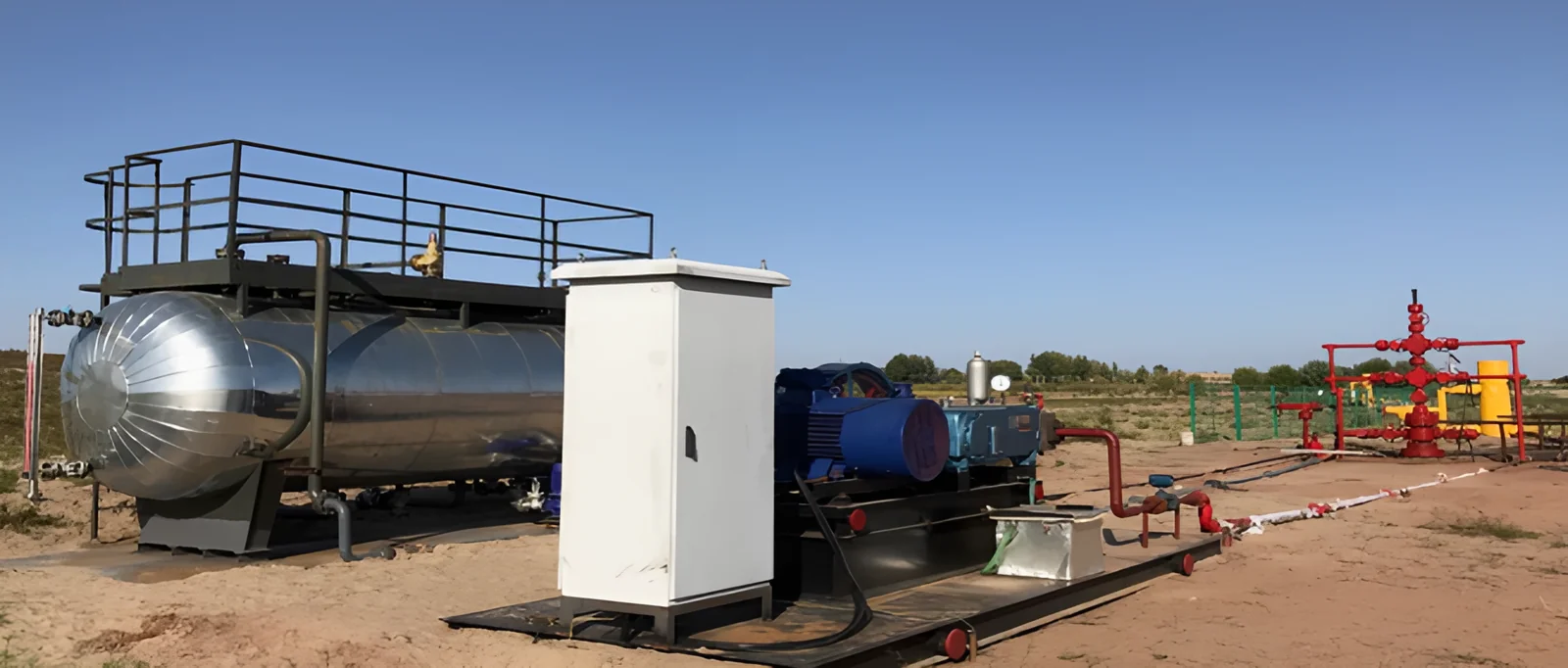
Surface components
- Variable speed drive (VSD)
- High-pressure plunger pump
- Separator system
- Flow measurement equipment
- Remote monitoring and control platform
Remote monitoring
ULT's digital monitoring platform provides
- Real-time pressure, flow, and temperature monitoring
- 5G remote communications
- Automated alarm and shutdown protection
- Remote start/stop capability
- Remote adjustment of operating parameters
Applications
The ULT Dual Concentric Hydraulic Jet Pump is a rodless artificial lift system that uses hydraulic energy instead of downhole moving parts. It is particularly effective for high-sand wells, heavy-oil production, gas-well dewatering, and horizontal wells, offering superior sand-handling capability, low maintenance requirements, long service life, remote monitoring, and reduced operating costs. The system's core hydraulic components are the nozzle, throat, and diffuser, integrated within a dual-concentric tubing completion.
Jet pump FAQ
How does a hydraulic jet pump work?
High-pressure power fluid is pumped down to the jet pump. The nozzle turns that pressure into velocity, creating a low-pressure zone that draws formation fluid in. The two fluids mix in the throat, and the diffuser turns velocity back into pressure to lift the mixture to surface.
What is a concentric tubing jet pump?
The ULT jet pump runs on a dual concentric tubing string. Power fluid goes down the inner tubing and production returns up the annulus between the strings. Reversing circulation brings the pump core back to surface.
Can a jet pump handle sand?
Yes. With no downhole moving parts to wear, the ULT jet pump handles sand particles up to 2 mm while maintaining production. A sand control screen is part of the downhole assembly.
Does a jet pump work in horizontal and deviated wells?
Yes. It performs in highly deviated and horizontal wells up to 90° inclination, with no rods, so there is no rod wear or tubing abrasion.
Is a jet pump affected by gas lock?
No. The ULT jet pump is not susceptible to gas lock, which makes it effective in gas-producing wells and for gas well dewatering.
Which wells is a jet pump best for?
High-sand wells, heavy oil, gas well dewatering and horizontal wells. The power fluid can also carry heat, corrosion inhibitors and scale control chemicals downhole. For low-rate, high-GLR gas wells, compare plunger lift.
How do you adjust production on a jet pump?
From surface. Rates are tuned through power fluid pressure and flow on the variable speed drive and high-pressure plunger pump, and the monitoring platform gives real-time pressure, flow and temperature data, remote start/stop, alarms and automatic shutdown.
Learn how it works
A free-travelling plunger uses the well's own gas to carry liquid to surface. Here is the cycle step by step, the equipment that runs it, and how to tell if a well is a good fit.
Read the guide Jet pump guideHow a hydraulic jet pump worksA jet pump lifts oil with no moving parts downhole, using high-pressure fluid pumped from surface. Here is how the nozzle, throat and diffuser work together, how the power fluid gets there and back, and where a jet pump beats the alternatives.
Read the guide Artificial lift selection guideChoosing an artificial lift methodNo single lift method suits every well. This guide compares the main options side by side and walks through the well conditions that usually decide the choice.
Read the guide